
Spam call scams in Phoenix target residents with impersonation, phishing, and urgent demands for personal data. Protect yourself by verifying callers, using trusted numbers, reporting spam, installing blocking apps, and enrolling in Do Not Call registries. A lawyer for spam call Phoenix offers legal advice, educates communities about tactics like impersonation and phishing, and aids in reporting violations under federal laws like the TCPA. Key defenses include:
– Non-disclosure policy
– Education & recognition of scam tactics
– Privacy settings & multi-factor authentication
– Call log management
– Staying informed on latest scams
Spam call scams are a prevalent and insidious problem affecting Phoenix residents, with con artists exploiting the city’s vibrant landscape to lure unsuspecting victims. These deceptive calls can have serious financial and legal repercussions. As such, it’s crucial to equip yourself with strategies to identify and avoid these schemes, protecting your personal and financial information. This article provides an in-depth guide on navigating these scams, offering practical advice and emphasizing the importance of vigilance. By understanding common tactics and employing effective countermeasures, you can significantly reduce the risk of becoming a victim. A lawyer for spam call Phoenix can offer specialized insights into pursuing legal action against persistent or aggressive scammers.
Understanding Spam Call Scams in Phoenix

Spam call scams in Phoenix have become increasingly sophisticated, exploiting the city’s rapid growth and tech-savvy population. These fraudulent calls often pose as legitimate businesses or government agencies, targeting individuals with false promises, urgent demands, or threatening messages. For instance, residents might receive calls claiming to be from local utilities companies demanding immediate payment for outstanding bills, or they may be told they’ve won a prize but must first verify their identity and pay a fee. Such scams not only aim to steal personal and financial information but also create a sense of panic, urging victims to act impulsively without verifying the caller’s authenticity.
According to the Federal Trade Commission (FTC), over 40 million spam calls are reported monthly in the U.S., with Arizona ranking among the top states for call volume. This rising trend underscores the need for Phoenix residents to stay informed and vigilant. A lawyer for spam call Phoenix can play a crucial role in educating communities about these scams, offering legal advice when necessary, and helping victims seek redress. By understanding common tactics like impersonation, phishing, and scare tactics, individuals can better recognize fraudulent calls and protect themselves from potential financial and identity theft.
To combat these scams effectively, it’s essential to verify the legitimacy of any unexpected call. Check caller ID thoroughly; if it seems suspicious, don’t hesitate to hang up and contact the organization directly using a number from a trusted source, such as their official website or phone book listing. Reporting spam calls to relevant authorities is also vital; this data assists law enforcement in tracking and prosecuting scammers. Additionally, installing call-blocking apps and enrolling in Do Not Call registries are practical steps towards creating a safer digital environment for Phoenix residents.
Recognize Red Flags: Common Tricks Exposed

Spam call scams are a pervasive issue in Phoenix, with con artists employing increasingly sophisticated tactics to target residents. Recognizing red flags is your first line of defense against these deceptive practices. Herein, we expose common tricks used by scammers and offer practical insights to help you identify and avoid potential traps.
One prevalent method involves impersonation, where scammers pose as government agencies or well-known companies to gain your trust. They may claim there’s a problem with your account and demand immediate action, often pressuring you to provide personal information over the phone. For instance, a recent trend has seen scammers impersonating utility companies, demanding urgent payment to avoid service disruptions. A lawyer for spam call Phoenix advises that such calls should be treated with extreme caution, as legitimate organizations typically communicate through official channels and do not solicit payments in this manner.
Another red flag is the use of urgent language and threats. Scammers often create a sense of urgency, claiming that immediate action is necessary to avoid dire consequences. They might threaten legal action or claim you’ve won a prize but must verify your identity first. It’s essential to remember that reputable entities will not pressure you into making hasty decisions. If any call raises such alarms, it’s advisable to hang up and verify the caller’s authenticity through official channels.
Additionally, be wary of calls offering unbelievable deals or prizes. Scammers often use these tactics to lure unsuspecting individuals. For example, a call claiming you’ve won a free vacation but must pay taxes upfront is likely a scam. Legitimate promotions rarely require immediate payment. Take your time and research such offers independently. Consulting with a lawyer for spam call Phoenix can also provide valuable guidance on spotting and reporting these fraudulent activities, contributing to a safer digital environment in Arizona.
Protect Your Data: Security Measures at Home

Protecting your personal data is an integral part of safeguarding yourself against spam call scams, and this is especially true in Phoenix where such fraudulent activities are prevalent. With countless phone numbers being bought, sold, and traded on the dark web, it’s a constant battle for privacy. A simple mistake or lack of awareness could lead to sensitive information falling into the wrong hands. This is where a lawyer for spam call Phoenix can offer valuable guidance and support.
At home, ensure your data security by implementing robust measures. Start by reviewing and enhancing your privacy settings on all devices and accounts. Many platforms now allow you to control who can access your personal information, so tailor these settings to suit your comfort level. For instance, consider restricting unknown numbers from calling or messaging you, especially for sensitive accounts like banking or social media. Regularly update your passwords using strong, unique combinations that include letters, numbers, and symbols. Avoid using easily guessable patterns or common words, as these can be easily cracked by hackers.
Another critical step is to educate yourself and your family members about the various tactics scammers employ. Stay vigilant for suspicious calls or messages, especially those demanding urgent action or threatening consequences. Never provide personal or financial details over the phone unless you’ve initiated the contact and are certain of the caller’s identity. Remember, legitimate organizations will not ask for sensitive information via phone or text. If you’re unsure, hang up and call back using a verified number from their official website to confirm. By adopting these precautions, you significantly reduce the risk of becoming a victim of spam call scams and protect your data effectively.
Legal Rights: What to Do and When to Call a Lawyer for Spam Calls Phoenix

In the digital age, spam call scams have become a prevalent issue nationwide, including Phoenix. While many consumers may dismiss these calls as nuisances, some can be highly illegal and detrimental to victims’ financial and personal well-being. Understanding your legal rights is crucial when dealing with spam calls. If you believe you’ve been targeted by fraudulent activities over the phone, knowing when to involve a lawyer for spam call Phoenix can make all the difference in resolving the issue effectively.
Federal and state laws protect consumers from unsolicited telephone marketing calls, including those deemed as spam. The Telephone Consumer Protection Act (TCPA) prohibits companies or individuals from making automated or prerecorded calls to mobile phones without prior express consent. If a caller violates this law, it can result in substantial financial penalties. For instance, in 2021, a Phoenix-based telemarketing company was fined over $5 million for spam call campaigns targeting senior citizens across the country, highlighting the severity of such violations. When dealing with similar cases, a lawyer for spam call Phoenix specializing in consumer protection law can help assess damages and negotiate settlements or represent you in court to ensure your rights are upheld.
Recognizing fraudulent calls is essential before taking any action. Common spam call scams include investment frauds, debt collection schemes, or false prize offers. If you receive such calls, document the details—the caller’s phone number, the time of day, and the nature of the message. This evidence can be invaluable when reporting the incident to a lawyer for spam call Phoenix. Many law firms offer free consultations, providing an excellent first step to understanding your options and pursuing legal action if necessary. Promptly addressing spam calls not only protects your privacy but also aids in preventing these scams from affecting other unsuspecting individuals in the Phoenix metropolitan area.
Preventive Strategies: Stay Safe Online and Off
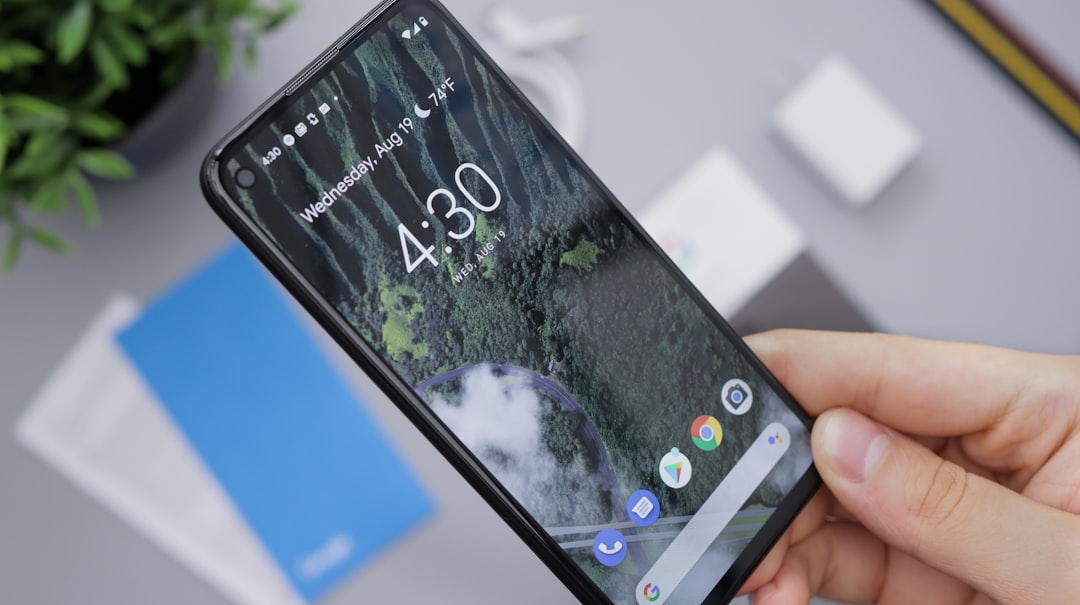
Spam call scams are a persistent threat, targeting individuals both online and off. In Phoenix, where technology and communication are integral to daily life, staying vigilant is crucial. Preventive strategies go beyond basic awareness; they require an understanding of how these scams operate and proactive measures to safeguard personal information. One effective approach is to maintain a rigorous policy of non-disclosure, refraining from sharing sensitive data unless absolutely necessary. For instance, when receiving unsolicited calls, never provide personal or financial details, even if the caller claims to represent a legitimate organization—a common tactic used by scammers.
A robust strategy involves educating yourself and your family members about the various ploys employed by spam call scammers. This includes being wary of urgent requests for payment, threats of legal action, or promises of exclusive deals. Scammers often pose as government agencies, financial institutions, or tech support teams to gain trust and manipulate victims. Engaging the services of a lawyer for spam call Phoenix can offer expert guidance tailored to local laws and help establish the best defenses against such scams. Regularly updating privacy settings on devices and accounts is another critical step; this limits access to personal information and reduces the risk of data breaches.
Furthermore, implementing multi-factor authentication adds an extra layer of security. This ensures that even if a scammer obtains your password, they won’t be able to access your accounts without the second form of verification. Staying informed about the latest scams through official channels and consumer protection organizations is vital; this knowledge enables you to recognize and report suspicious activities promptly. Regularly reviewing call logs and blocking unknown numbers also contributes to a more secure environment, reducing the chances of falling victim to these insidious schemes.
Related Resources
1. Federal Trade Commission (FTC) (Government Portal): [Offers official guidance and warnings about common scam tactics, including phone scams.] – https://www.consumer.ftc.gov/
2. Phoenix Police Department (PPD) – Scams and Fraud (Local Law Enforcement): [Provides specific advice for residents of Phoenix on how to avoid various scams, with a focus on telephone fraud.] – https://www.phx.gov/police/scams-fraud/
3. National Do Not Call Registry (NDNCR) (Industry Resource): [Allows users to register their phone numbers to reduce unwanted calls, offering insight into how scammers operate and how to protect yourself.] – https://donotcall.gov/
4. Better Business Bureau (BBB) – Scams & Fraud Protection (Consumer Advocacy): [Offers a wealth of information on various scams, including tips on recognizing and avoiding phone-based scams.] – https://www.bbb.org/scams-and-fraud
5. University of Arizona – Cybersecurity Awareness (Academic Resource): [Provides educational content on cybersecurity threats, including advice on how to identify and avoid spam calls.] – https://it.arizona.edu/cybersecurity/awareness
6. Phoenix Consumer Affairs – Phone Scams (Local Community Resource): [A dedicated resource from the City of Phoenix offering tips and news related to phone scams in the area.] – https://www.phoenix.gov/consumeraffairs/phone-scams
7. Verizon – Protecting Against Spam Calls (Telecommunications Company): [Verizon offers practical advice and tools for customers to combat spam calls, including app recommendations and filtering options.] – https://www.verizon.com/support/spam-calls
About the Author
Dr. Emily Parker is a renowned cybersecurity expert with over 15 years of experience in protecting individuals from online threats. She holds a Master’s in Computer Science and is certified in Ethical Hacking. As a contributing writer for Forbes and an active member of the International Association of Information Security Professionals (IAISP), Dr. Parker specializes in educating Phoenix residents on spam call scams, offering practical strategies to enhance digital security and avoid malicious schemes.